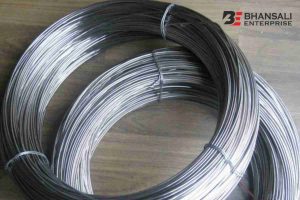
Hastelloy C276 and C22 are two of the most widely used nickel-chromium-molybdenum alloys in industries requiring high resistance to corrosion and harsh environments. Each of these alloys offers unique properties that make them suitable for various applications. In this blog, we will compare Hastelloy C276 and C22 wire in terms of their composition, properties, and typical uses to help you make an informed choice for your specific needs.
Composition
Hastelloy C276
- Nickel (Ni): Balance
- Chromium (Cr): 14.5-16.5%
- Molybdenum (Mo): 15-17%
- Iron (Fe): 4-7%
- Tungsten (W): 3-4.5%
- Cobalt (Co): ≤ 2.5%
- Manganese (Mn): ≤ 1%
- Vanadium (V): ≤ 0.35%
- Silicon (Si): ≤ 0.08%
- Carbon (C): ≤ 0.01%
- Phosphorus (P): ≤ 0.04%
- Sulfur (S): ≤ 0.03%
Hastelloy C22
- Nickel (Ni): Balance
- Chromium (Cr): 20-22%
- Molybdenum (Mo): 12.5-14.5%
- Iron (Fe): 2-6%
- Tungsten (W): 2.5-3.5%
- Cobalt (Co): ≤ 2.5%
- Manganese (Mn): ≤ 0.5%
- Silicon (Si): ≤ 0.08%
- Carbon (C): ≤ 0.015%
- Phosphorus (P): ≤ 0.02%
- Sulfur (S): ≤ 0.02%
Properties
Corrosion Resistance
Hastelloy C276 and C22 offer excellent corrosion resistance but excel in different environments.
- Hastelloy C276: Known for its outstanding resistance to pitting, stress corrosion cracking, and oxidation at elevated temperatures. It is particularly effective against chlorides and reducing acids.
- Hastelloy C22: Offers superior resistance to oxidizing environments, including wet chlorine, nitric acid, and mixtures of acids containing oxidizing agents. It also resists localized corrosion, such as pitting and crevice corrosion.
Mechanical Properties
- Hastelloy C276: Exhibits excellent mechanical properties, including high tensile strength and toughness. It performs well in high-temperature and high-pressure environments.
- Hastelloy C22 Also demonstrates robust mechanical properties but with a slightly different balance due to its higher chromium content, which enhances its resistance to oxidizing environments.
Fabrication
Both alloys are known for their ease of fabrication and welding but require different handling techniques.
- Hastelloy C276: Can be easily welded using common techniques like TIG and MIG welding. However, careful control of heat input is required to prevent grain growth and ensure optimal performance.
- Hastelloy C22: Similar to C276, it is readily weldable but requires attention to heat input and welding parameters to maintain its corrosion-resistant properties.
Applications
Hastelloy C276
- Chemical Processing: Ideal for components exposed to chlorides and reducing acids.
- Pollution Control: Used in scrubbers, stack liners, and ducting.
- Oil and Gas: Suitable for sour gas applications and marine environments.
- Pulp and Paper: Used in bleaching vessels and digesters.
Hastelloy C22
- Pharmaceutical Industry: Used in reactors and heat exchangers due to its resistance to oxidizing environments.
- Waste Treatment: Effective in equipment handling mixed industrial wastes.
- Desalination Plants: Suitable for brine heaters and evaporators.
- Flue Gas Desulfurization: Used in absorber towers and ducting.
Conclusion
Hastelloy C276 and C22 wire offer exceptional corrosion resistance and mechanical properties, making them suitable for various demanding applications. The choice between them depends on the specific environmental conditions and the type of corrosion resistance required. Hastelloy C276 is preferred for reducing environments and chloride exposure, while Hastelloy C22 excels in oxidizing conditions. By understanding the differences between these two alloys, you can make an informed decision to ensure the longevity and reliability of your components in challenging environments.