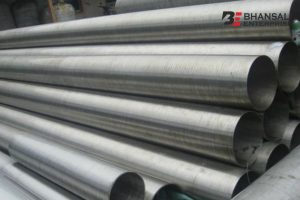
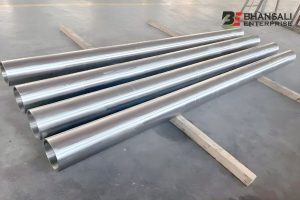
Alloy steel pipes are essential in the oil and gas industry, providing a range of benefits that make them ideal for various applications. From drilling operations to the transportation of hydrocarbons, alloy steel pipes offer superior performance, durability, and reliability. This blog will explore the key benefits of using alloy steel pipes in oil and gas applications.
What Are Alloy Steel Pipes?
Alloy steel pipes are made from steel combined with one or more alloying elements, such as chromium, nickel, molybdenum, vanadium, or tungsten. These alloying elements enhance the properties of the steel, making it more suitable for demanding industrial applications.
Key Benefits of Alloy Steel Pipes
High Strength and Durability
Alloy steel pipes’ special feature is that they have high strength besides corrosion resistance, which makes them suitable for use in environments such as the oil and natural gas production industry. This property allows alloy steel used in the production of pipes to have improved mechanical properties, which enables it to withstand pressure and temperatures, hence minimizing cases of pipe failures and, consequently, system downtimes.
Corrosion Resistance
One of the most significant benefits of Alloy Steel Pipe is their corrosion resistance. Elements such as chromium and molybdenum are part of the alloy composition and provide excellent resistance to corrosive environments, including those with high levels of hydrogen sulfide (H2S), carbon dioxide (CO2), and chlorides. This corrosion resistance extends the service life of the pipes and reduces maintenance costs.
High-Temperature Resistance
Alloy steel pipes can maintain their structural integrity and mechanical properties at high temperatures, making them suitable in high-temperature environments commonly found in oil and gas applications. The ability to withstand high temperatures ensures pipelines and equipment’s safe and efficient operation.
Versatility and Adaptability
Alloy steel pipes are available in various grades and specifications, allowing them to be tailored to specific oil and gas industry requirements. This versatility ensures that the pipes can be used in various applications, from drilling and production to transportation and refining.
Cost-Effectiveness
While the initial cost of alloy steel pipes may be higher than other materials, their long-term benefits, such as reduced maintenance, longer service life, and enhanced performance, make them a cost-effective choice for oil and gas applications. The durability and reliability of alloy steel pipes contribute to lower total ownership costs.
Applications of Alloy Steel Pipes in the Oil and Gas Industry
Drilling Operations
In drilling operations, alloy steel pipes are used as drill, casing, and tubing. The alloy steel’s high strength and corrosion resistance make it ideal for withstanding the mechanical stresses and corrosive environments encountered during drilling.
Production and Extraction
Alloy steel pipes are widely applied in oil and gas industries for wellhead, flow line and riser products etc. Such favorable characteristics as high pressure and temperature capabilities guarantee the efficient extraction of oil and gas from the reservoirs.
Transportation and Distribution
Alloy steel pipes are widely used for the transportation of oil and gas from production sites to refineries and distribution centres. The corrosion resistance and durability of alloy steel ensure the integrity of pipelines over long distances, minimizing the risk of leaks and environmental contamination.
Refining and Processing
In refineries and processing plants, alloy steel pipes are used in various processes, including distillation, cracking, and chemical treatment. The high-temperature resistance and chemical stability of alloy steel make it suitable for handling aggressive and corrosive fluids and gases.
Subsea and Offshore Applications
Alloy steel pipes are also used in subsea and offshore oil and gas operations, where they are exposed to harsh marine environments and high-pressure conditions. The corrosion resistance and strength of alloy steel ensure the reliability and safety of subsea pipelines and equipment.
Conclusion
Alloy steel pipes offer numerous benefits for oil and gas applications, including high strength, corrosion resistance, high-temperature performance, versatility, and cost-effectiveness. These advantages make alloy steel pipes a preferred choice for various applications in the oil and gas industry, from drilling and production to transportation and refining. By using alloy steel pipes, oil and gas companies can enhance the safety, efficiency, and longevity of their operations.