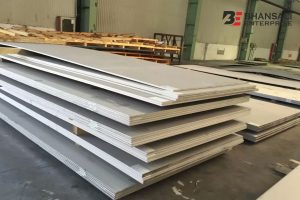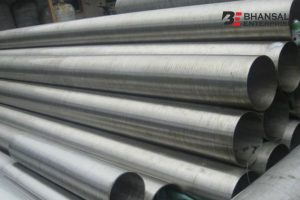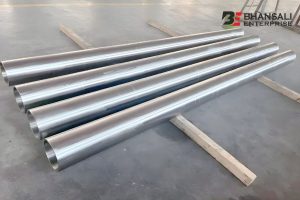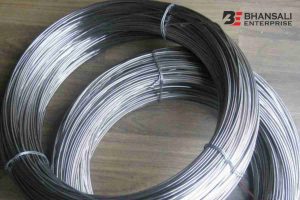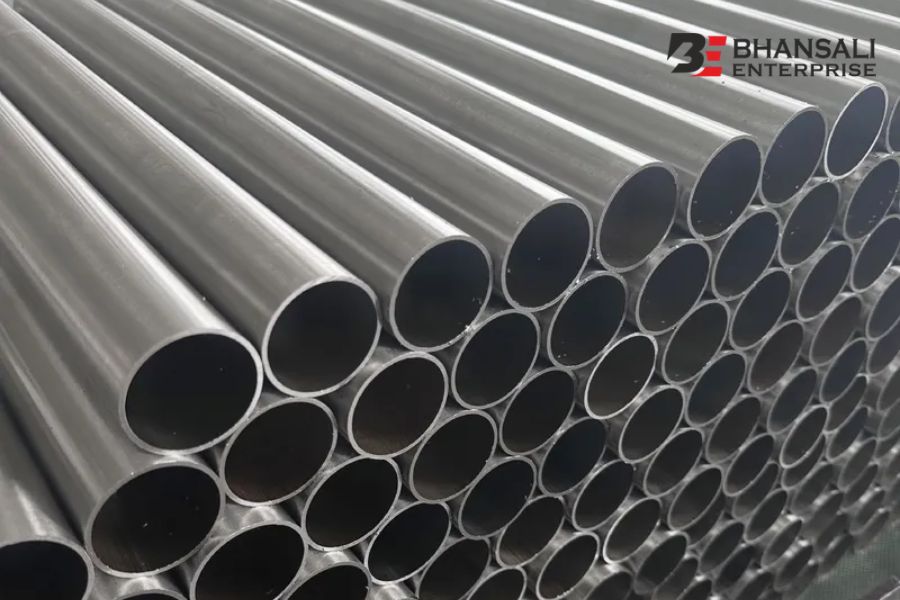
Inconel 625 Pipe suits service where corrosive media, elevated temperature and mechanical load act together. The nickel-based alloy holds its strength across a wide thermal range. Correct selection depends on the process fluid, the operating temperature, the design pressure and the fabrication route. Alloy properties, comparable nickel grades, application history and quality documentation feed the same decision. Piping systems fail at the selection stage more often than at the welding stage.
What Is an Inconel 625 Pipe?
Inconel Alloy 625 Pipe carries a nickel-chromium-molybdenum composition, with niobium added to strengthen the matrix without a separate hardening step. Nickel sits above 58%, chromium between 20 and 23%, molybdenum between 8 and 10%. UNS N06625 Pipes is the designation printed on mill certificates for this grade. The alloy resists oxidising acids, reducing acids, chlorides and seawater. Grade, dimension, manufacturing route and specification must match the application before the material qualifies for the line.
Key Properties of Inconel 625 Pipe
Six properties govern where this grade earns a place in a piping system. Each matters only when measured against the real service conditions on the line.
- Corrosion resistance across mixed media. The alloy performs in oxidising and reducing conditions without a grade change between them.
- Pitting and crevice resistance. Molybdenum at 8 to 10% holds back localised attack under gaskets and in stagnant pockets.
- High mechanical strength. ASTM B444 Grade 1 sets a minimum tensile strength of 827 MPa and 414 MPa yield.
- Oxidation resistance at temperature. A chromium oxide film forms early and stays adherent through thermal cycling.
- Weldability. Fabricators join 625 with matching filler metal and skip post-weld heat treatment in most constructions.
- Marine performance. Seawater, brackish water and chloride laden vapour attack the surface slowly at ambient temperatures.
Factors to Consider When Selecting Inconel 625 Pipe
Five factors decide the selection: corrosion environment, operating temperature, pressure and dimensions, manufacturing type, and the governing standard. Weakness in any one of them undermines the rest.
Corrosion Environment
Process chemistry sets the first filter. Map the acid type, chloride level and oxidising agents present in the stream, then specify Corrosion-Resistant Inconel 625 Pipes where the alloy’s record matches that medium.
Operating Temperature
Service temperature splits the grade into two supply conditions. Annealed Grade 1 pipe covers the band to roughly 538°C. Solution annealed Grade 2 suits creep-determined service above that point.
Pressure and Pipe Dimensions
Outside diameter, wall thickness and schedule follow from the design pressure under the governing code. No single schedule covers every pressure class, so fix the thickness by calculation.
Manufacturing Type
Seamless and welded Inconel 625 pipes both reach the same chemistry. Seamless suits higher pressure and smaller bores. Welded pipe costs less on large diameters and long straight runs.
Standards and Certifications
The purchase specification must name the ASTM grade, the dimensional standard such as ASME B36.19M, the inspection level and the certificate type. Traceability to heat number closes the loop.
Chemical and Industrial Applications
Eight sectors account for most demand. Each draws on a different property, which explains why one grade appears in acid lines and in turbine hardware.
- Chemical processing: Chemical Resistant Alloy 625 Pipes carry sulphuric, phosphoric and hydrochloric acid streams.
- Oil and gas: sour service lines, wellhead piping, subsea flow components.
- Marine and seawater: intakes, risers and splash zone piping.
- Petrochemical processing: transfer lines handling mixed hydrocarbons with chloride carryover.
- Power generation: steam circuits and flue gas ducting in fossil plants.
- Pollution control: scrubber internals, absorber headers and FGD piping.
- Aerospace systems: exhaust ducting, bellows and fuel lines.
- Heat exchangers: tube bundles and headers in corrosive duty.
Inconel 625 Pipe vs Other Nickel Alloy Pipes
Alloy 625 earns selection where corrosion resistance and load bearing strength are needed together. Final choice follows the fluid, temperature, pressure, fabrication method and applicable design code.
| Alloy | UNS | Distinguishing Feature | Common Selection Point |
| Alloy 625 | N06625 | Niobium strengthened Ni-Cr-Mo, 827 MPa minimum tensile | Mixed acid, chloride and high strength duty |
| Alloy 600 | N06600 | Ni-Cr with low molybdenum | High temperature, low chloride service |
| Alloy 825 | N08825 | Ni-Fe-Cr with copper and titanium | Sulphuric and phosphoric acid service |
| Alloy C276 | N10276 | High molybdenum and tungsten | Severe reducing acids and wet chlorine |
| Alloy 400 | N04400 | Ni-Cu, no chromium | Seawater and hydrofluoric acid without oxidisers |
How to Verify Pipe Quality
Verification starts on paper and finishes at the stockyard. Eight checks confirm that delivered material matches what the specification asked for.
- Material grade: the certificate must state UNS N06625, not a trade name alone.
- Specification: confirm ASTM B444 for seamless or ASTM B705 for welded.
- Dimensions: measure outside diameter and wall thickness against schedule tolerance.
- Traceability: hard stamping and pipe markings should tie back to the heat number.
- Test certificate: EN 10204 type 3.1 or 3.2, as the order specifies.
- Test results: compare reported chemistry and tensile values against specification minima.
- Inspection: hydrostatic testing, eddy current testing and NDT where the code requires.
- Supplier records: quality manual, ISO certification and manufacturing route documentation.
Conclusion
Grade selection for an Inconel 625 pipe comes down to the corrosive medium, the temperature band, the design pressure, the manufacturing route, the governing specification and the documentation. Bhansali Enterprise manufactures, supplies and exports stainless steel, duplex steel, nickel alloys, aluminium and titanium products worldwide. Contact us with your line conditions for a grade recommendation.