A piping system buried in seawater for thirty years and still holding its wall thickness is not an accident. It is a material choice. Monel 400 sheet, a nickel-copper alloy built for harsh marine and chemical service, makes that kind of longevity possible. Engineers across offshore platforms, chemical plants, and shipyards specify corrosion resistant monel sheets because standard steels fail where this alloy keeps performing.
What Is Monel 400 Sheet?
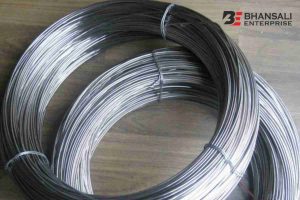
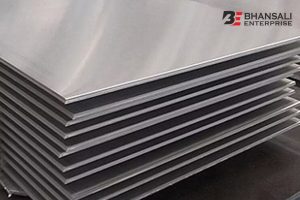
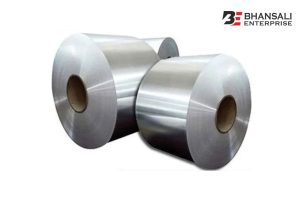
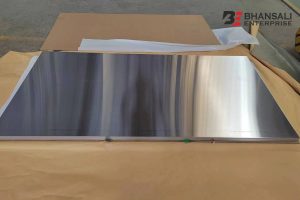
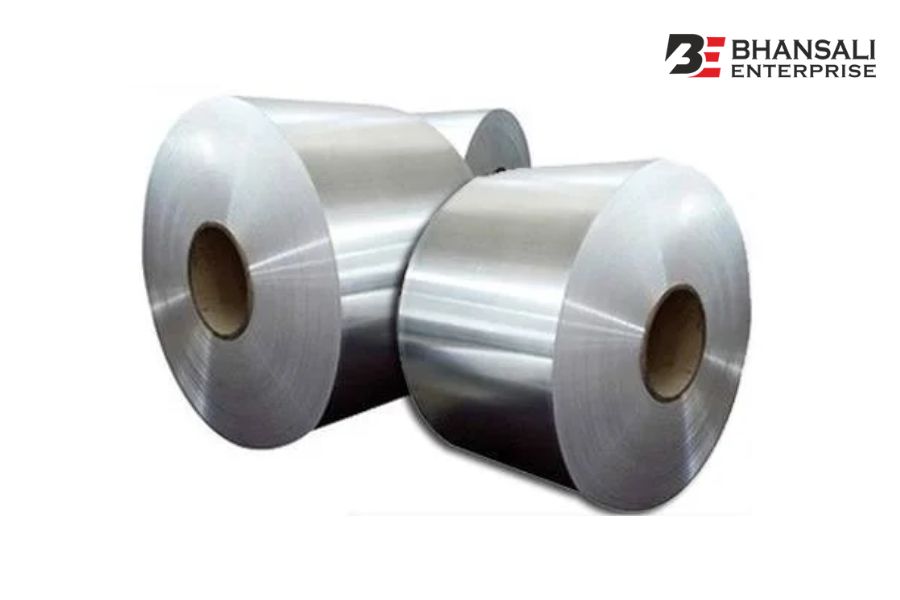
Monel 400 sheet is a wrought nickel-copper alloy product in flat form, used for fabrication of tanks, panels and structural components. Nickel is the base of the alloy, with copper added in significant proportion to increase resistance to reducing acids and seawater. The material is classified under UNS N04400, the unified numbering system designation that sets forth chemical limits and mechanical properties for procurement and quality control. Mills typically stock it in thicknesses from 0.5mm up to 50mm, in sheet, plate, and coil form, depending on the fabrication need.
Monel Alloy 400 Sheet Chemical Composition
Major Alloying Elements
Nickel (63 to 70%) provides the corrosion resistant matrix. Copper (28 to 34%) works with nickel to resist non-oxidizing acids and iron (maximum 2.5%) increases strength without loss of ductility. Manganese, limited to 2 percent, assists in deoxidizing the alloy during melting and refines its mechanical behavior.
How Composition Affects Performance
This balance does the real work. High nickel content blocks oxidation and resists alkaline attack, while copper handles hydrofluoric and sulfuric acid exposure that would corrode plain nickel within months. Together they produce a sheet that holds up in seawater immersion for decades and resists chloride pitting.
Key Properties of Monel 400 Sheet
Exceptional corrosion resistance is the most important property. The alloy performs in flowing and stagnant seawater alike, and resists sulfuric, hydrochloric, and hydrofluoric acids across a range of concentrations, plus most alkalis and industrial process chemicals.
High mechanical strength supports heavy loads without deformation. Monel 400 sheet delivers roughly 550 MPa tensile strength and 240 MPa yield strength, holding steady under seawater and acid exposure that softens weaker alloys.
Toughness across temperature extremes sets this alloy apart from many stainless grades. It retains ductility down to cryogenic temperatures and holds mechanical properties up to roughly 480°C in continuous service.
Weldability and fabrication remain straightforward under standard procedures. Monel 400 sheet welds cleanly via GTAW, GMAW or SMAW, and accepts cold forming without cracking, eliminating pre-heat requirements across most section thicknesses.
Resistance to stress corrosion cracking is another crucial property. Where austenitic stainless steels crack under chloride stress over time, Monel 400 sheet keeps its integrity, which is why offshore engineers favor it for components under constant load.
Benefits of Using Monel 400 Sheet
It has a longer life span compared to normal alloys in marine and acidic conditions, which reduces the frequency of replacements of components by the operators. Maintenance intervals stretch out too, since the sheet does not need the coatings or cathodic protection carbon steel requires in the same conditions. That translates into lower lifecycle costs even though the upfront material price is higher than mild steel. Reliable performance under sustained stress reduces unplanned downtime, and fewer inspection failures over a multi-decade asset life follow from the same durability. For critical applications where failure costs exceed material costs, nickel copper alloy sheet earns its premium price through avoided shutdowns alone.
Applications of Nickel Copper Alloy Sheet
The marine industry uses this sheet in seawater piping, shipbuilding hull fittings, and hardware exposed to constant salt spray. Chemical processing plants build storage tanks, heat exchangers, and process vessels from it where acid and alkali exposure rules out lesser alloys. Oil and gas operators specify it for offshore platform components, valve bodies and pump parts in saline, high-pressure service. Power generation plants use it in condenser tubing and heat transfer systems exposed to cooling water chemistry. Aerospace manufacturers use smaller quantities in structural components where weight, strength, and corrosion resistance all matter at once.
Why UNS N04400 Sheet Is Preferred in Corrosive Environments
Seawater corrosion resistance is among the main reasons why engineers specify this grade for offshore and marine work. It performs in both acidic and alkaline process streams without the localized pitting that drives premature failure in stainless alternatives. Offshore platforms and chemical plants depend on that consistency, since unplanned replacement of submerged or buried components carries enormous cost. Long-term structural stability under cyclic load keeps it the default choice for components designed to outlast multiple plant turnarounds.
Factors to Consider When Selecting Monel Alloy 400 Sheet
Match the alloy to the specific chemicals it will contact, since concentration and temperature both shift corrosion behavior. Check the operating temperature range against the alloy’s mechanical property curve. Check the required strength for the application (with design margins for pressure or structural load). Review welding requirements early, since joint design affects both cost and long-term performance, and confirm compliance with the relevant industry standard before procurement.
Common Standards and Specifications
Monel 400 sheet is sold under the UNS N04400, ASTM B127 and ASME SB127 specifications covering chemical composition, mechanical properties and dimensional tolerances. Industry-specific quality requirements add additional checks for offshore, nuclear or aerospace use. Material testing and certification, including mill test reports and third party verification, ensure each batch meets the specified standard before it leaves the mill.
Conclusion
Monel 400 sheet combines seawater-grade corrosion resistance with mechanical strength and weldability few alloys match in one package. Its performance across marine, chemical processing, oil and gas, and power generation applications comes down to the nickel-copper balance at its core, backed by UNS N04400 specification limits that keep quality consistent batch to batch. Bhansali Enterprises supplies Monel 400 sheets that are tested and certified to ASTM B127 and ASME SB127 standards, giving fabricators and plant engineers a reliable source of corrosion resistant components. This alloy will continue to perform decades after installation in applications where failure is not an option.