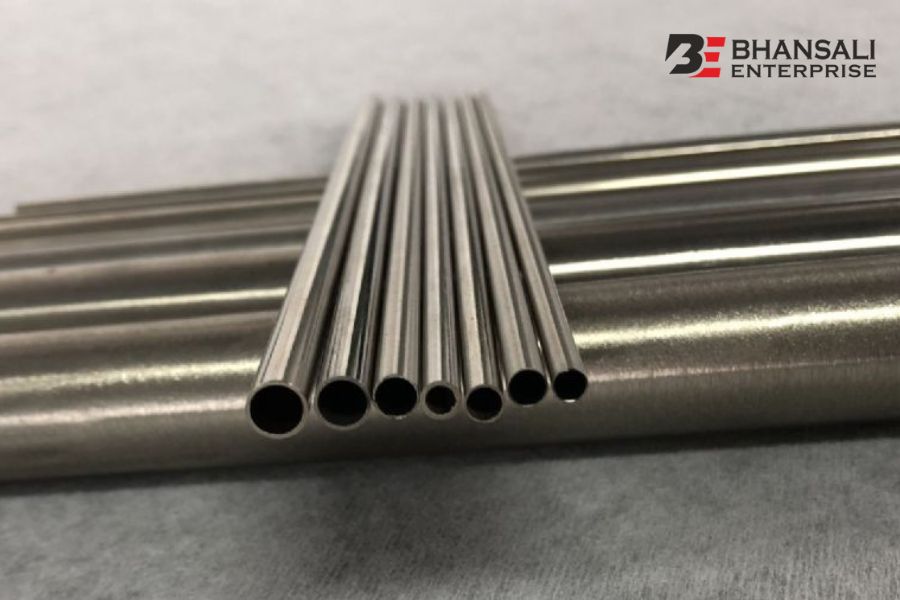
Extreme heat, corrosive chemicals, and constant mechanical stress destroy ordinary metals within months. Inconel 600 bars survive these conditions for years, which is why refineries, power plants, and aerospace manufacturers specify this nickel-chromium alloy for components that cannot fail. Furnaces running above 1000°C and acidic process streams need nickel alloy bars for industrial equipment that hold their strength long after standard steel grades have corroded. This blog breaks down what makes Inconel 600 bars different, where they perform best, and what to check before ordering them.
What Are Inconel 600 Bars?
Inconel 600 is a nickel-chromium-iron alloy built around three elements that each do a specific job. Nickel forms the base matrix and resists corrosion in alkaline and oxidizing environments. Chromium adds scaling resistance at high temperatures. Iron supports overall structural stability and keeps material costs in check compared to higher-nickel grades.
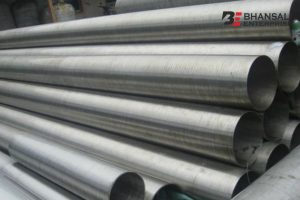
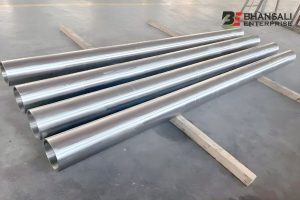
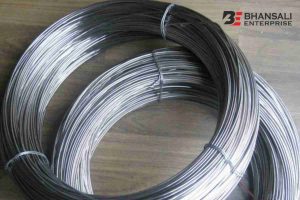
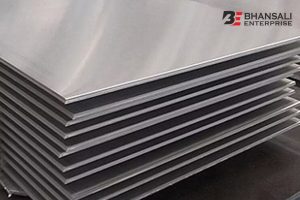
Bar stock comes in round, square, hex, and forged forms, sized to match machining setups across valve shops, fastener manufacturers, and structural fabricators. This alloy carries the designation UNS N06600, the reference code used on mill certificates, purchase orders, and international material standards like ASTM B166 and ASME SB166.
Key Properties of Inconel 600 Bars
Corrosion resistance is among the crucial properties. The alloy resists oxidation and chemical attack from caustic solutions, organic acids, and many chloride-bearing media, which makes it suitable for chemical plants and offshore platforms where carbon steel would pit within a single operating season.
High-temperature strength comes next. Inconel 600 bars hold tensile and creep strength at temperatures up to 1093°C, far beyond the working range of most stainless steels.
Oxidation resistance at elevated heat keeps the alloy stable inside furnace chambers and heat-treatment baskets, where repeated thermal cycling would otherwise crack or warp lesser materials.
The alloy has excellent mechanical strength for structural and load bearing applications. In the annealed condition the alloy has a typical tensile strength of 550 to 690 MPa giving good strength for applications such as shafts, fasteners and pressure retaining parts.
Inconel 600 bars are popular for demanding industries due to their ease of fabrication and weldability. Machine shops cut, drill, and weld these bars using standard nickel-alloy techniques, with no special atmosphere required for most welding processes.
Why Industries Prefer Inconel Alloy 600 Bars
Plant engineers choose this alloy because it cuts unplanned shutdowns. Equipment built from Inconel alloy 600 bars runs reliably through repeated thermal cycles, resists attack from corrosive media, and lasts through multiple maintenance intervals without replacement. Lower failure rates translate directly into fewer production stoppages and reduced spare-parts spending across a plant’s operating life.
Top Industrial Applications of Inconel 600 Bars
Oil and Gas Industry
Offshore rigs use these bars in drilling equipment, valve stems, pump shafts, and refinery processing lines. Pressure-containing components built from this alloy resist sulfide stress cracking and chloride attack in well environments. That resistance keeps critical seals and shafts functional through years of exposure to produced water and hydrocarbons under high pressure.
Chemical Processing Industry
Inconel 600 round bars are used for fittings and internal hardware in heat exchangers, reactors, evaporators and chemical handling systems. The alloy resists acids and caustic process chemicals without rapid wall thinning, extending the service intervals on vessels that would otherwise require frequent inspection and patching.
Aerospace Industry
Engine components, exhaust systems and turbine parts require metal that maintains its shape and strength at extreme heat. Inconel 600 bars machined into brackets, fasteners, and structural fittings resist oxidation inside combustion zones, holding dimensional stability through thousands of flight-hour thermal cycles.
Marine Industry
Seawater handling systems, marine shafts, and offshore platform fasteners face constant salt exposure. This alloy resists pitting and crevice corrosion in seawater far better than standard stainless grades, giving marine operators components that stay functional through years of submerged or splash-zone service.
Power Generation Industry
Gas turbines, boiler components, and nuclear power equipment run at sustained high temperatures with little tolerance for material failure. Nickel alloy 600 bars hold up under thermal degradation, supporting turbine blades, boiler tubing supports, and reactor internals where a single component failure can shut down an entire generating unit.
Heat Treatment and Furnace Industry
Furnace fixtures, retorts, and heat-treatment baskets cycle between ambient and furnace temperature thousands of times over their service life. Inconel 600 bars resist the scaling and distortion that ruins carbon steel fixtures within a few cycles, keeping furnace loads stable and reducing fixture replacement costs.
Advantages of UNS N06600 Bars
UNS N06600 bars combine corrosion resistance, high-temperature performance, and mechanical strength in one material specification. That combination shortens engineering decisions, since one alloy grade covers needs that would otherwise require separate materials for heat resistance and corrosion resistance. The payoff is longer service life and lower long-term maintenance spending across pressure equipment, structural fittings, and furnace hardware.
Factors to Consider When Selecting Nickel Alloy 600 Bars
Match the bar grade to your actual operating conditions before placing an order. Check the maximum service temperature, since sustained exposure above 1093°C requires a different alloy family. Confirm the specific chemicals or seawater conditions the part will face, since corrosion resistance varies by exposure type. Calculate the mechanical load the component must carry, including any cyclic or vibration stress. Verify the certification standard your project requires, whether ASTM, ASME, or a client-specific specification, and confirm your fabrication shop can machine and weld the bar size you need.
Conclusion
Inconel 600 bars hold their strength and corrosion resistance in conditions that retire ordinary metals within a single operating cycle. From offshore drilling rigs to nuclear power plants, inconel alloy 600 bars keep critical equipment running through repeated thermal and chemical stress. Bhansali Enterprises is the leading manufacturer of Inconel 600 bars manufactured as per international standards and tested for mechanical and corrosion performance for industrial applications. Choosing the right grade for your operating conditions further enhances equipment uptime, reduces maintenance costs and increases the working life of every component you build from it.