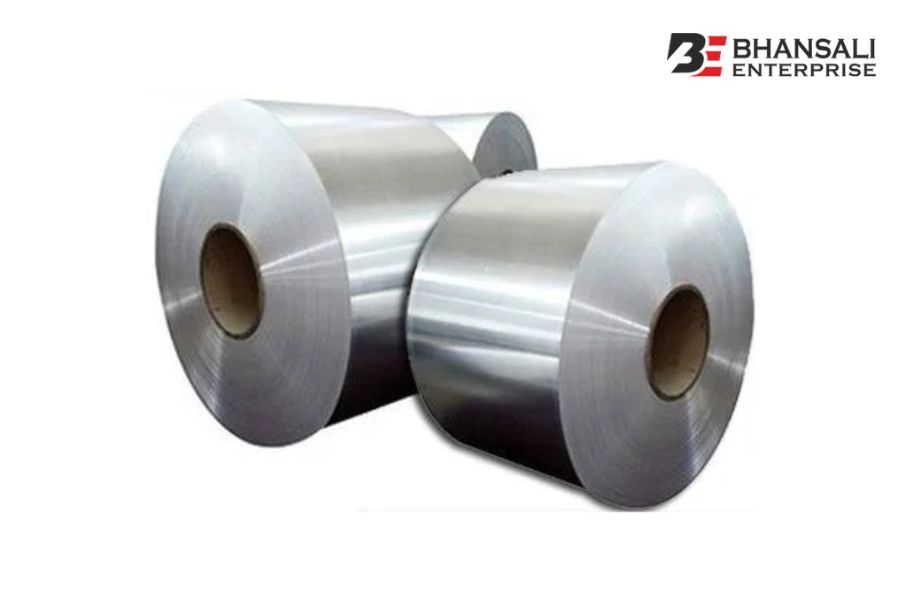
Heat exchangers in seawater, brine or acidic process lines fail quickly if the material isn’t right for the application. Corrosion can damage tube sheets and baffle plates in months, not years, once the fluid is aggressive enough. That’s why fabricators specifying heat exchanger monel 400 sheets tend to skip standard stainless grades and go straight to nickel-copper alloys built for this kind of exposure. Monel 400 sheets bring corrosion resistance, thermal stability and mechanical strength together, which is why they turn up so often in shell-and-tube units, condensers and marine cooling systems. This blog goes through the composition, properties, benefits, applications and selection points for Monel Alloy 400 Sheets in heat exchanger work.
What Are Monel 400 Sheets?
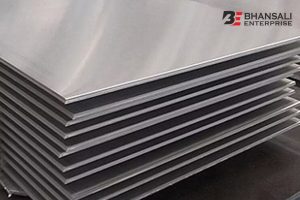
Monel 400 sheets are flat-rolled products made from a nickel-copper alloy, roughly 63-70% nickel and 28-34% copper, with small amounts of iron, manganese and carbon added in. That mix gives the alloy something most materials can’t offer together: resistance to reducing acids and chloride-heavy seawater at the same time, the exact conditions that cause pitting in many stainless steels. The alloy is designated UNS N04400 and meets ASTM B127 and ASME SB127 specifications. Tensile strength usually is between 70,000 and 85,000 PSI in the annealed condition, with hardness around 110-150 HB depending on temper. These numbers matter for heat exchanger design since tube sheets and baffles are under mechanical load while sitting in constant contact with the process fluid. Monel 400 handles hydrofluoric acid, alkalis and seawater without much trouble, which is why it gets specified in places where lesser alloys wouldn’t survive one operating cycle.
Key Properties of Monel 400 Sheets
Excellent resistance to seawater and chemical corrosion
Monel 400 takes prolonged exposure to seawater, brine and hydrofluoric acid without much surface degradation.
High mechanical strength
Tensile strength up to 85,000 PSI means thinner sheets can be used without losing structural integrity.
Good thermal conductivity
Around 21.8 W/m·K, which keeps heat transfer efficient across tube sheets and plates.
Superior resistance to pitting and stress corrosion cracking
The nickel-copper structure resists localised attack even in stagnant or low-flow areas, which is usually where pitting starts.
Excellent weldability and fabrication
Monel alloy 400 sheets take TIG, MIG and shielded metal arc welding without losing corrosion resistance at the joint.
High durability in demanding environments
Mechanical properties hold up across a wide temperature range, from cryogenic conditions up to 480°C.
Long service life
Lower corrosion rates mean decades of service in marine and offshore work, not just a few years.
Benefits of Using Monel 400 Sheets in Heat Exchangers
Outstanding corrosion resistance in chemical and marine environments: UNS N04400 sheets hold up against seawater, sour gas and hydrofluoric acid in situations where 316 stainless would corrode much faster.
Reliable performance under elevated temperatures: Mechanical strength stays stable up to 480°C, so structural margin isn’t lost in hot process streams.
Reduced maintenance and downtime: Fewer corrosion failures means fewer unplanned shutdowns for tube repairs.
Longer equipment lifespan: Nickel copper alloy 400 sheets often outlast carbon steel or standard stainless in the same duty by a wide margin.
Improved heat exchanger efficiency: Thermal conductivity stays consistent over time instead of dropping off as corrosion products build up.
Excellent resistance to scaling and fouling: The surface resists scale build-up, so tube-side flow resistance stays lower for longer.
Lower lifecycle costs: The higher material cost upfront is usually balanced out by fewer replacements and less downtime over a 20–30 year service life.
Applications of Monel 400 Sheets in Heat Exchangers
Shell and tube heat exchangers
Tube sheets and baffle plates made from Monel 400 deal with corrosive shell-side fluids in refinery and chemical plant work.
Condensers
Marine and industrial condensers use Monel 400 sheets where seawater cooling would otherwise corrode standard alloys quickly.
Evaporators
Salt-water evaporation units rely on the alloy’s chloride resistance to avoid pitting at concentrated brine points.
Chemical processing equipment
Hydrofluoric acid alkylation units depend on Monel 400’s resistance to HF specifically.
Marine cooling systems
Shipboard heat exchangers use the alloy for surfaces in direct seawater contact.
Offshore oil and gas facilities
Platforms exposed to constant salt spray and process brine often specify Monel 400 for critical heat transfer parts.
Power generation plants
Feedwater heaters and condensers in coastal power stations use it to manage chloride-driven corrosion.
Desalination systems
Reverse osmosis and thermal desalination plants use Monel 400 sheets in heat recovery sections handling concentrated brine.
Factors to Consider When Choosing Monel 400 Sheets
Operating temperature is usually the first thing to check, since sustained exposure above 480°C changes mechanical behaviour and might mean a different nickel alloy is a better fit. The process fluid matters just as much. Hydrofluoric acid service, seawater cooling and sour gas all stress the alloy differently, and sheet thickness needs to match the pressure and corrosion allowance the job calls for. Fabrication and welding requirements come into it too, especially where tube-to-sheet joints need specific filler metals to keep corrosion resistance intact at the weld. Compliance with ASTM B127 and ASME SB127, along with proper material certifications and mill test reports, confirms the sheets actually meet the specifications before fabrication starts.
Conclusion
Monel 400 sheets combine corrosion resistance, mechanical strength and thermal stability in a way that is ideal for heat exchanger design, especially in marine, chemical processing, offshore and power generation environments where standard alloys do not perform as well. By sourcing quality Monel Alloy 400 sheets from suppliers that provide proper certifications and testing, you can increase the life of your equipment and reduce maintenance and replacement costs over the life of the equipment. Bhansali Enterprise supplies sheets as well as other products of nickel-copper alloy for industries where reliable performance in harsh operating environments is important.