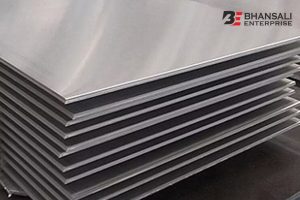
When it comes to selecting materials for demanding industrial applications, Hastelloy alloys are often top choices due to their exceptional corrosion resistance and mechanical properties. Two popular Hastelloy grades are C2000 and C276. Understanding the differences between Hastelloy C2000 plates and C276 can help you make an informed decision for your specific application needs.
Introduction to Hastelloy Alloys
Hastelloy alloys are a group of nickel-based superalloys primarily designed for high-performance applications. They exhibit excellent resistance to corrosion, oxidation, and high temperatures, making them suitable for harsh environments like chemical processing, petrochemical, and power generation industries.
Hastelloy C2000 Plates
Composition
Hastelloy C2000 is an advanced corrosion-resistant alloy with a unique composition that includes:
- Nickel (Ni): ~59%
- Chromium (Cr): ~23%
- Molybdenum (Mo): ~16%
- Copper (Cu): ~1.6%
- Iron (Fe), Tungsten (W), and other elements
Properties
- Excellent Corrosion Resistance: Hastelloy C2000 plates offer outstanding resistance to a wide range of corrosive environments, including oxidizing and reducing acids.
- Versatility: This alloy is versatile and can handle different types of corrosion, such as pitting, crevice corrosion, and stress corrosion cracking.
- High Strength: The mechanical strength of C2000 is notable, making it suitable for structural applications in harsh environments.
- Good Weldability: C2000 plates can be welded easily, maintaining their corrosion resistance and mechanical properties.
Applications
- Chemical processing equipment
- Pollution control
- The pulp and paper industry
- Marine environments
Hastelloy C276 Plates
Composition
Hastelloy C276 is one of the most widely used Hastelloy alloys, known for its impressive resistance to various corrosive environments. It includes:
- Nickel (Ni): ~57%
- Molybdenum (Mo): ~16%
- Chromium (Cr): ~16%
- Iron (Fe): ~5%
- Tungsten (W), Cobalt (Co), and other elements
Properties
- Exceptional Corrosion Resistance: Hastelloy C276 plates provide resistance to pitting, stress corrosion cracking, and oxidizing atmospheres up to 1900°F (1038°C).
- Resistant to Chloride-Induced Corrosion: This alloy is highly resistant to chloride-induced corrosion, making it ideal for marine and chemical applications.
- Excellent Fabricability: C276 can be easily fabricated and welded, maintaining its properties even after severe forming processes.
- Superior Durability: The alloy exhibits high durability and longevity, even in the most challenging conditions.
Applications
- Chemical and petrochemical processing
- Pharmaceutical industry
- Power generation
- Waste treatment plants
- Desalination plants
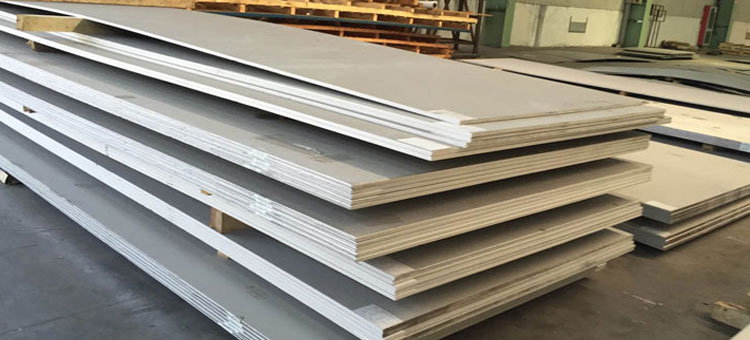
Key Differences Between Hastelloy C2000 Plates and C276
Chemical Composition
- C2000: Includes copper (Cu), which enhances its resistance to sulfuric acid.
- C276: Contains higher tungsten (W) content, which improves its resistance to localized corrosion.
Corrosion Resistance
- C2000: Offers broad-spectrum corrosion resistance, particularly in environments containing sulfuric acid.
- C276: Provides superior resistance to oxidizing and reducing environments, especially in chlorides.
Applications
- C2000: Versatile for various industrial applications, including those involving sulfuric acid.
- C276: Preferred for extreme environments where chloride-induced corrosion is a significant concern.
Fabricability and Welding
- Both alloys are easily fabricated and welded, but C276 might be preferred in industries where superior resistance to chlorides is critical.
Conclusion
Both Hastelloy C2000 plates and Hastelloy C276 plates are exceptional choices for high-performance applications, but they have distinct differences in composition and specific corrosion resistance properties. Choosing the right alloy depends on the specific environmental conditions and requirements of your application. By understanding these differences, you can select the most suitable Hastelloy grade to ensure optimal performance and longevity.