Surgical instruments are a vital component of medical procedures and their quality can significantly impact the outcome of a surgery. The best material used in the manufacture of these tools is stainless steel. But why is stainless steel used in the manufacturing of surgical instruments? Now let’s look at the possible causes of this critical decision.
Why Are Surgical Instruments Made from Stainless Steel?
Durability and Strength
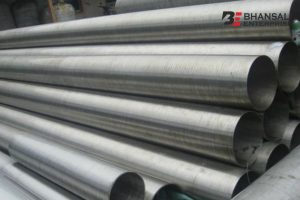
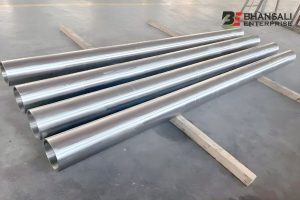
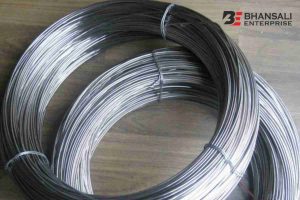
Stainless steel is known for its excellent strength and resistance to deformation. This makes it appropriate to be used on surgical instruments that undergo stresses of cutting twisting and bending during surgeries. The Stainless Steel 316L Wire holds its integrity, so the instruments can be used repeatedly without losing effectiveness. The durability is important when dealing with delicate or intricate surgeries.
Corrosion Resistance
Stainless steel instruments are employed in different areas including blood, body fluids and sterilizing solutions which can cause rust and material degradation in metals like carbon steel. Stainless steel has chromium which when exposed to oxygen makes a layer that protects the steel from rusting and staining. It also makes the stainless steel not to rust and therefore it is suitable for use in medical applications where hygiene is important.
Biocompatibility
It is important that any material used in medical procedures has to be biocompatible. Stainless steel is highly biocompatible and it does not cause adverse reactions when in contact with the human body. This makes it safe for use in surgeries because it does not cause inflammation to the area, infections or allergic reactions. Because the instruments are used in contact with tissues, the materials used have to be safe for the patient’s body.
Ease of Sterilization
Sterilization is a critical process in maintaining the safety of surgical instruments. Stainless steel can withstand the high temperatures and pressures associated with autoclaving, a standard sterilization method. The material does not warp or degrade during the process, ensuring that the instruments remain clean and safe for reuse. Furthermore, it is relatively easy to clean the stainless steel and to make it free of bacteria thus avoiding infections.
Formability
Stainless steel is relatively easy to shape, which makes it highly versatile for creating a wide range of surgical instruments. Stainless steel is versatile and therefore can be shaped, twisted, forged, and honed to make things such as scissors, forceps, scalpels, and needles. The material can be hardened or tempered achieving the ideal balance of flexibility and stiffness for various surgical applications.
Cost-Effectiveness
Although stainless steel might cost more than other metals it is worth the investment as it is a very strong and long lasting material. They do not require regular replacement, and since stainless steel instruments can be used again after sterilization they are cost-effective.
Conclusion
Stainless steel is preferred for manufacturing operating instruments because it is strong, durable, corrosion resistant, biocompatible and can be easily sterilized. Because of its capability to endure the stresses of medical procedures and at the same time ensure patients safety, it is an essential tool in the medical industry. Whether it’s a scalpel, clamp, or forceps, stainless steel remains at the heart of modern surgery, providing surgeons with the tools they need to save lives and improve patient outcomes.